The internet has fundamentally changed how people buy and sell. Where commerce once required a physical storefront, a handshake, and a local audience, it now happens at the click of a button, across cities, countries, and time zones. At the heart of this transformation is the digital marketplace.
Whether you are an entrepreneur, a consumer, or a business owner in Nigeria, understanding what a digital marketplace is, and how it works, has become essential knowledge in today’s economy.
What is a Digital Marketplace?
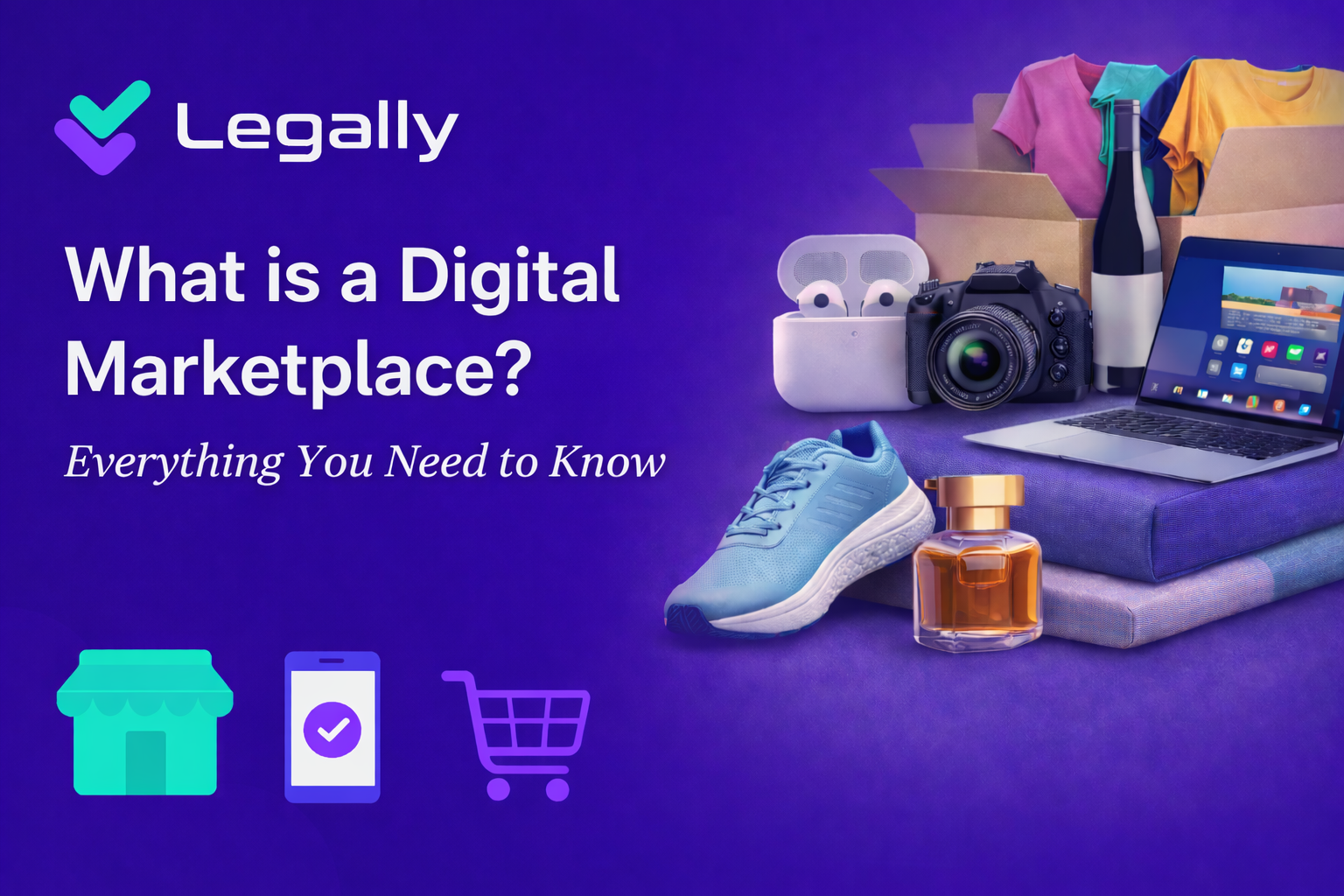
A digital marketplace is an online platform that brings together multiple buyers and sellers to exchange goods, services, or information over the internet. Unlike a standard e-commerce website where one company sells its own products, a digital marketplace acts as an intermediary, providing the infrastructure for third-party vendors and buyers to transact with each other.
Think of it as the online equivalent of a physical market: many stalls, many sellers, one common space. The platform owner manages the environment, while independent sellers handle their own listings, pricing, and inventory.
Popular global examples include Amazon, eBay, Etsy, Fiverr, and Airbnb. In Nigeria, platforms like Jumia, LegallyNG, Konga, and Jiji have brought the digital marketplace model to millions of consumers and small businesses.
Types of Digital Marketplaces
Digital marketplaces are not one-size-fits-all. They vary based on who is buying and selling:
B2C (Business-to-Consumer): Businesses sell products or services directly to individual consumers. Jumia is a prime Nigerian example.
B2B (Business-to-Business): Companies buy from and sell to other companies, often in bulk. Alibaba is the global leader in this space.
C2C (Consumer-to-Consumer): Individuals sell directly to other individuals. Facebook Marketplace and Jiji operate on this model.
Service Marketplaces: Platforms like Fiverr and Upwork connect skilled freelancers with clients who need specific services, from design to legal consultation.
Gig Economy Platforms: Apps like Uber and Bolt are digital marketplaces for on-demand services, matching service providers with consumers in real time.
How Does a Digital Marketplace Work?
The platform model is what makes a digital marketplace unique. The marketplace owner does not sell goods directly. Instead, it provides the technology, audience, payment infrastructure, and trust mechanisms that make transactions possible.
Revenue is typically earned through listing fees, transaction commissions, subscription plans, or advertising placements. Sellers create profiles, upload products or services, set their prices, and manage orders. Buyers browse, compare, pay, and leave reviews. The platform handles payment processing, dispute resolution, and customer data management.
Legal Considerations for Digital Marketplaces in Nigeria
Participating in or operating a digital marketplace in Nigeria comes with real legal responsibilities that are easy to overlook, especially for new entrepreneurs.
Key areas to consider include:
- Business Registration with the Corporate Affairs Commission (CAC)
- Data Privacy Compliance under the Nigeria Data Protection Act (NDPA) and the NDPR
- Consumer Protection obligations under the Federal Competition and Consumer Protection Act (FCCPA)
- Tax Obligations for digital transactions, as enforced by the Federal Inland Revenue Service (FIRS)
- Marketplace Agreements — clear Terms and Conditions governing the relationship between the platform, its sellers, and its buyers
Whether you are launching a marketplace startup or selling products on an existing platform, getting your legal structure right from the start protects your business and builds trust with users. At LegallyNG, we help Nigerian entrepreneurs and businesses navigate these exact requirements, from company registration to drafting privacy policies and marketplace agreements.
Benefits of Digital Marketplaces
Digital marketplaces have democratized commerce in powerful ways:
- Access: A small business in Aba can reach customers in Lagos, Abuja, or London without a physical store.
- Competition: Buyers enjoy better prices and more variety because sellers compete on the same platform.
- Convenience: Shopping, comparing, and purchasing can happen at any time, from any device.
- Trust: Built-in review systems and secure payment gateways reduce the risk of fraud for both parties.
For Nigeria’s growing class of digital entrepreneurs, marketplaces offer a low-barrier entry point into e-commerce, often without the overhead costs of traditional retail.
Risks and Challenges to Be Aware Of
Despite their advantages, digital marketplaces come with challenges. Counterfeit products, payment disputes, data breaches, and limited legal recourse in cross-border transactions are real concerns. Both sellers and buyers need to understand their rights and how to protect themselves online.
For businesses, failure to comply with Nigerian e-commerce laws can lead to regulatory penalties, reputational damage, or loss of operating licences.
Final Thoughts
A digital marketplace is more than a website, it is a complex ecosystem where technology, law, and commerce intersect. As Nigeria’s digital economy continues to expand, the opportunities for businesses that understand and operate within this ecosystem are enormous.